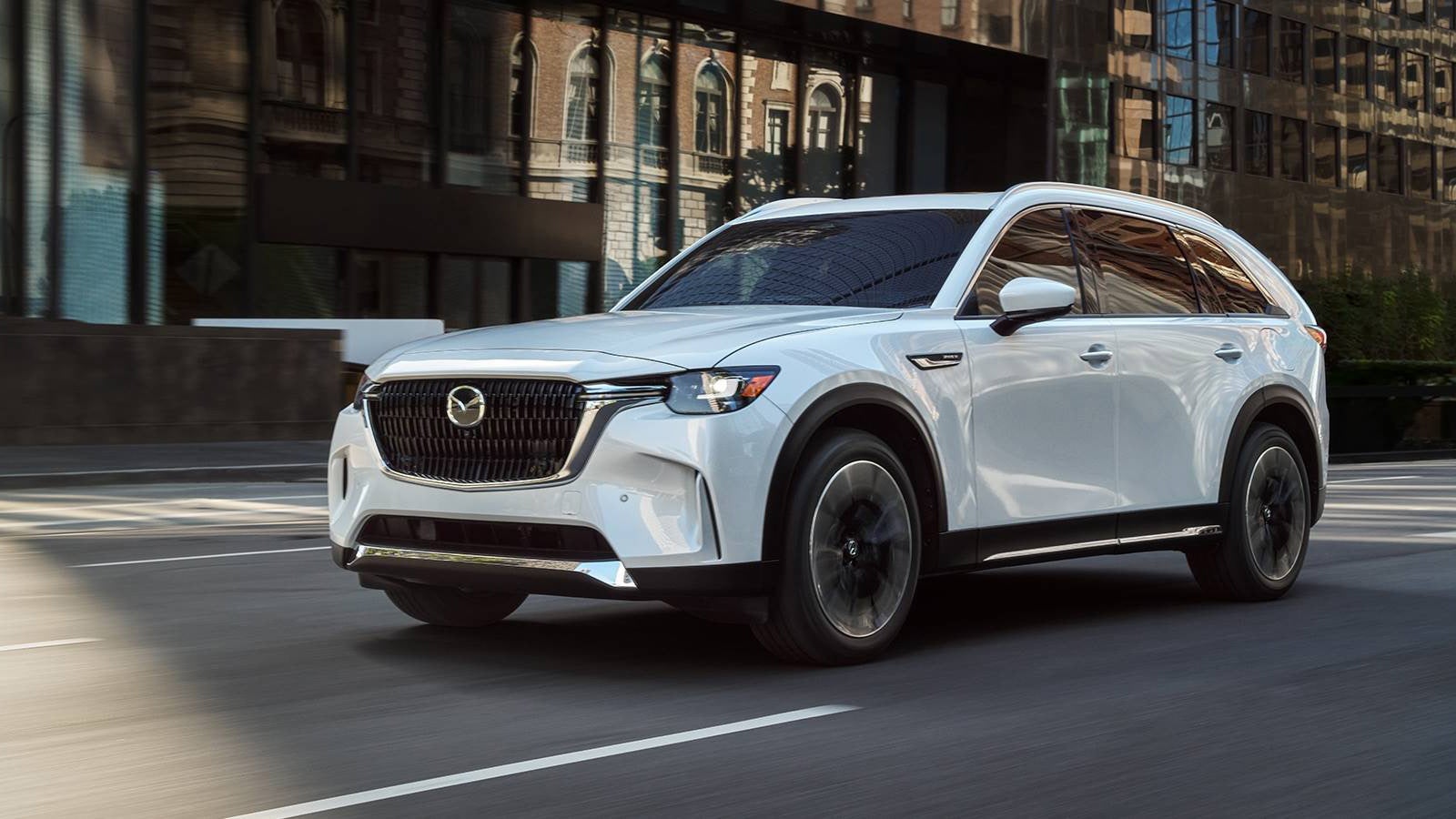
It would be reasonable to assume that Mazda's CX-70 Plug-In Hybrid is simply a smaller CX-90. It isn't. Both measure approximately 201.6 inches long, share essentially the same mechanical architecture, and deliver identical maximum power outputs. The distinction is more fundamental: one accommodates seven passengers, while the other devotes its interior to five. For buyers around Vancouver, WA, that difference deserves closer examination. Two Rows or Three: The Defining Decision The CX-90 PHEV accommodates up to 7 passengers across three rows. The CX-70 PHEV seats 5, using the space behind its second row for luggage. Because their exterior dimensions are nearly identical, neither offers a significant advantage when parking or negotiating narrow streets. Choosing the CX-70 isn't about purchasing a smaller vehicle. It's about deciding that a third row would contribute less to everyday ownership than additional cargo accommodation. Cargo Capacity Reveals the Trade-Off The CX-70 provides 39.6 cubic feet behind its rear seats, expanding to 75.3 cubic feet when they're folded. The CX-90 offers just 14.9 cubic feet with all three rows occupied, although maximum capacity reaches approximately 74.2 cubic feet. Those figures explain the practical distinction. The CX-70 carries considerably more luggage while retaining all five passenger positions; the CX-90 can accommodate additional occupants when required. Identical Powertrains, Similar Character Both models combine a 2.5L gasoline engine with a 68-kW electric motor, producing up to 323 hp and 369 lbs. ft. of torque using recommended premium gasoline. An 8-speed automatic transmission and standard rear-biased i-ACTIV AWD® distribute that performance. Mazda's Mi-Drive system includes Sport and Off-Road settings. Both SUVs can tow up to 3,500 lbs. when properly equipped. Mechanically, there's little reason to favor one over the other. Efficiency Is Where Differences Emerge The CX-70 PHEV achieves an EPA-estimated 61 MPGe combined and approximately 32 miles of electric-only range. The CX-90 PHEV returns 56 MPGe combined and 26 miles of electric range. That six-mile difference could influence how frequently the gasoline engine operates during shorter commutes. Both support Level 1 and Level 2 charging, and both continue operating as hybrids once their electric-only range is exhausted. Comfort, Technology, and Safety Both cabins emphasize driver-oriented controls and premium materials. Available equipment includes a 12.3-inch Mazda Connect™ display, wireless Apple CarPlay® and Android Auto™, Bose® audio, ventilated front seats, and a panoramic sunroof. Both models earned the 2026 IIHS TOP SAFETY PICK+ award. Standard i-Activsense® technologies include Blind Spot Monitoring, Lane Departure Warning, Lane-keep Assist, and Smart Brake Support, supplemented by available camera and parking assistance. Which Mazda Makes More Sense? For families regularly carrying six or seven people, the CX-90 PHEV is the logical choice. For those who seldom need a third row, the CX-70 PHEV offers more accessible luggage space and superior electric efficiency. Neither compromises on the shared powertrain's performance. Compare Mazda Plug-In Hybrids in Vancouver, WA The decision ultimately concerns how you use the space you've purchased. Visit Alan Webb Mazda in Vancouver, WA, to examine both interiors and compare available 2027 trim configurations. Schedule a test drive online to assess their comfort, performance, and practicality firsthand.

Buying vs Leasing a Mazda: Frequently Asked Questions
Shopping for a new Mazda is exciting, but before you can drive off in your new Mazda, you need to decide if you're going to buy it or lease it. Buying vs leasing are two very different paths, and the right choice depends on your lifestyle, budget, and how you like to drive. Here are answers to the questions we hear most often from customers in Vancouver, WA. What Is the Difference Between Buying and Leasing? When you buy a vehicle, you own it outright - either by paying cash or financing through a lender. Over time, you build equity and can sell or trade it whenever you like. Leasing, on the other hand, is more like a long-term rental. You pay for the portion of the vehicle's value you use during the lease term, typically two to three years, and then return it, or you can choose to buy it at the end of the lease. Which Option Has Lower Monthly Payments? In most cases, leasing offers lower monthly payments than financing. Because you're only paying a portion of the vehicle's value rather than the full amount, your monthly payment is generally smaller. This can make it easier to get into a higher trim level or a model with more features for a similar monthly budget. Are There Mileage Restrictions With a Lease? Yes, leases come with annual mileage limits - commonly between 10,000 and 15,000 miles per year. If you exceed those limits, you'll pay a per-mile fee at the end of the lease. If you put a lot of miles on your vehicle each year, buying may be a better cost-effective long-term choice. Can I Customize a Leased Vehicle? Generally, no. Since you're returning the vehicle at the end of the lease, modifications aren't permitted. Buying gives you the freedom to make the vehicle truly your own, whether that means adding accessories, upgrading audio equipment, or personalizing the exterior. Which Option Is Better if I Like Driving the Latest Models? If you enjoy driving a new vehicle every few years and want access to the latest safety technology and features, leasing can be a great fit. Mazda's 2026 lineup - including top safety picks like the CX-5, CX-50, and Mazda3 - has earned more 2026 IIHS TOP SAFETY PICK+ awards than any other brand. Leasing makes it easier to upgrade to the newest model when your lease ends. Does Buying vs Leasing Affect Insurance Costs? Both options typically require comprehensive and collision coverage, so insurance costs are often similar. However, some lease agreements may require higher coverage limits, so it's worth checking with your insurance provider before signing. What Happens at the End of a Lease? When your lease term ends, you have a few choices. You can return the vehicle and walk away, lease or buy a new Mazda, or purchase the vehicle you've been driving at a predetermined price. It's a flexible arrangement that gives you options. Which Option Is Right for Me? There's no one-size-fits-all answer. If you want long-term ownership, plan to drive a lot of miles, or want to build equity, buying makes sense. If you prefer lower monthly payments, love having a new vehicle every few years, and drive a predictable number of miles, leasing could be the smarter move. Visit Alan Webb Mazda to Explore Your Options No matter if you’re leaning toward buying vs leasing, the team at Alan Webb Mazda is here to help you find the right fit. Drivers throughout Vancouver, WA can explore the full 2026 Mazda lineup and take advantage of current offers by visiting us or browsing our website.