Blog / 2026 Mazda CX-5

2026 Mazda CX-5 Performance: The Engineering Behind a Better Drive

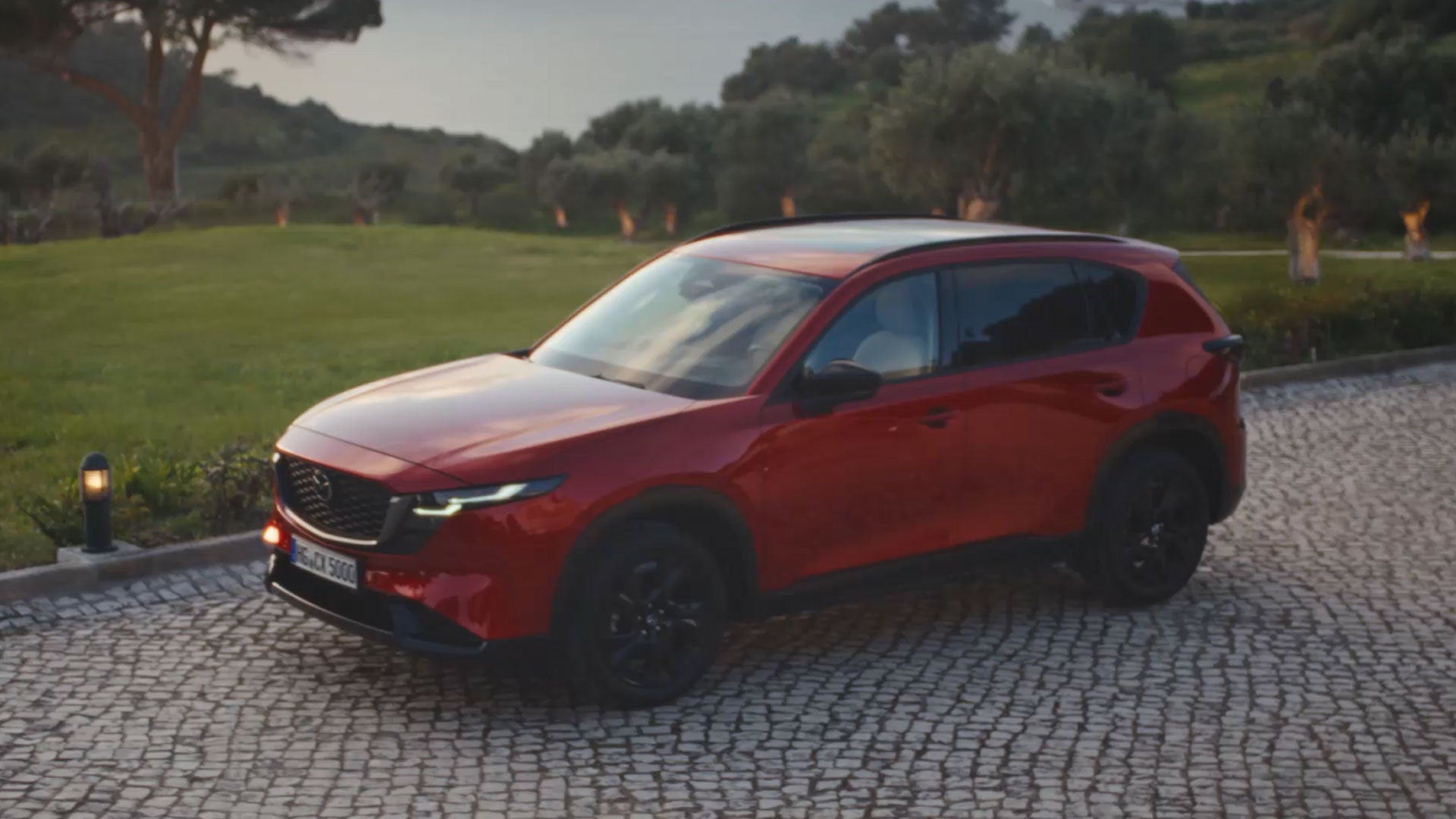
Red 2026 Mazda CX-5 SUV with black wheels and a panoramic sunroof parked on a cobblestone driveway.
A successful redesign isn't necessarily about adding power. Sometimes the more demanding task is improving how a vehicle responds, rides, and communicates with its driver.
That's the approach Mazda has taken with the third-generation 2026 CX-5. Revised suspension engineering, standard AWD, and a longer wheelbase promise a more accomplished compact SUV for drivers around Vancouver, Washington.

A Familiar Engine with a Different Brief

The 2026 CX-5 uses Mazda's SKYACTIV®-G 2.5L naturally aspirated 4-cylinder, producing 187 hp and 186 lbs. ft. of torque. Power reaches the wheels through a 6-speed automatic transmission. The previous generation's turbocharged option has disappeared.
Instead, Mazda has concentrated on recalibrating its established powertrain for smooth, predictable responses. There's a sound engineering argument here: consistent throttle behavior and well-judged transmission shifts can contribute more to driving satisfaction than impressive peak-power figures. Sport mode sharpens powertrain responses when greater acceleration is required.

AWD Designed Around Predictability

Standard i-ACTIV AWD® continuously evaluates driving conditions and adjusts torque distribution to support traction. On Vancouver's rain-soaked roads, that ability is particularly relevant. Mazda Intelligent Drive Select provides Normal, Sport, and Off-Road modes.
Each changes the vehicle's responses to suit different conditions, from ordinary commuting to loose or uneven surfaces. The objective isn't to turn the CX-5 into a dedicated off-road vehicle. It's to make its behavior more consistent as available grip changes.

Suspension: Where the Real Work Happens

The most interesting developments concern the chassis. Revised shock absorbers and wheel-and-tire specifications aim to improve ride comfort without sacrificing steering precision. Mazda's updated G-Vectoring Control Plus incorporates an electronic brake limited-slip differential, helping manage traction and vehicle behavior through corners.
Electric power-assisted steering completes the arrangement. The challenge is balancing stability, comfort, and responsiveness, particularly on imperfect pavement. These engineering changes suggest Mazda understands that good handling depends on the relationship between components, not any single feature.

Efficiency Without Mechanical Complexity

The 2026 CX-5 achieves an EPA-estimated 24 mpg city, 30 mpg highway, and 26 mpg combined. Those figures apply to its standard AWD configuration. The naturally aspirated engine and conventional 6-speed automatic provide a straightforward mechanical package, with no need to choose between different engine outputs or drivetrain arrangements. For regular journeys along Interstate 5, that consistency makes comparison between trim levels easier.

A Longer Wheelbase, a More Accommodating Cabin

The redesigned CX-5's 110-inch wheelbase creates additional room for rear passengers. Seating for 5 and expanded cargo accommodations preserve its family-friendly character. An available 15.6-inch touchscreen introduces Google built-in technology with Google Gemini voice assistance.
Updated materials and interior design complement the mechanical improvements. Safety equipment includes Mazda Radar Cruise Control with Stop & Go, Blind Spot Monitoring, Rear Cross Traffic Alert, and Smart Brake Support. The 2026 CX-5 also earned an IIHS TOP SAFETY PICK+ award.

Experience the 2026 Mazda CX-5 in Vancouver, WA

The redesigned CX-5 makes its case through chassis development, predictable performance, and standard AWD rather than additional horsepower. Visit Alan Webb Mazda in Vancouver, WA, to explore available 2026 CX-5 trim configurations and examine the engineering changes. Schedule a test drive online to discover how those improvements translate to the road.
Posted in:

Related Posts

Directional signs showing options to buy or lease a car against a blue sky.

Buying vs Leasing a Mazda: Frequently Asked Questions

Shopping for a new Mazda is exciting, but before you can drive off in your new Mazda, you need to decide if you're going to buy it or lease it. Buying vs leasing are two very different paths, and the right choice depends on your lifestyle, budget, and how you like to drive. Here are answers to the questions we hear most often from customers in Vancouver, WA. What Is the Difference Between Buying and Leasing? When you buy a vehicle, you own it outright - either by paying cash or financing through a lender. Over time, you build equity and can sell or trade it whenever you like. Leasing, on the other hand, is more like a long-term rental. You pay for the portion of the vehicle's value you use during the lease term, typically two to three years, and then return it, or you can choose to buy it at the end of the lease. Which Option Has Lower Monthly Payments? In most cases, leasing offers lower monthly payments than financing. Because you're only paying a portion of the vehicle's value rather than the full amount, your monthly payment is generally smaller. This can make it easier to get into a higher trim level or a model with more features for a similar monthly budget. Are There Mileage Restrictions With a Lease? Yes, leases come with annual mileage limits - commonly between 10,000 and 15,000 miles per year. If you exceed those limits, you'll pay a per-mile fee at the end of the lease. If you put a lot of miles on your vehicle each year, buying may be a better cost-effective long-term choice. Can I Customize a Leased Vehicle? Generally, no. Since you're returning the vehicle at the end of the lease, modifications aren't permitted. Buying gives you the freedom to make the vehicle truly your own, whether that means adding accessories, upgrading audio equipment, or personalizing the exterior. Which Option Is Better if I Like Driving the Latest Models? If you enjoy driving a new vehicle every few years and want access to the latest safety technology and features, leasing can be a great fit. Mazda's 2026 lineup - including top safety picks like the CX-5, CX-50, and Mazda3 - has earned more 2026 IIHS TOP SAFETY PICK+ awards than any other brand. Leasing makes it easier to upgrade to the newest model when your lease ends. Does Buying vs Leasing Affect Insurance Costs? Both options typically require comprehensive and collision coverage, so insurance costs are often similar. However, some lease agreements may require higher coverage limits, so it's worth checking with your insurance provider before signing. What Happens at the End of a Lease? When your lease term ends, you have a few choices. You can return the vehicle and walk away, lease or buy a new Mazda, or purchase the vehicle you've been driving at a predetermined price. It's a flexible arrangement that gives you options. Which Option Is Right for Me? There's no one-size-fits-all answer. If you want long-term ownership, plan to drive a lot of miles, or want to build equity, buying makes sense. If you prefer lower monthly payments, love having a new vehicle every few years, and drive a predictable number of miles, leasing could be the smarter move. Visit Alan Webb Mazda to Explore Your Options No matter if you’re leaning toward buying vs leasing, the team at Alan Webb Mazda is here to help you find the right fit. Drivers throughout Vancouver, WA can explore the full 2026 Mazda lineup and take advantage of current offers by visiting us or browsing our website.

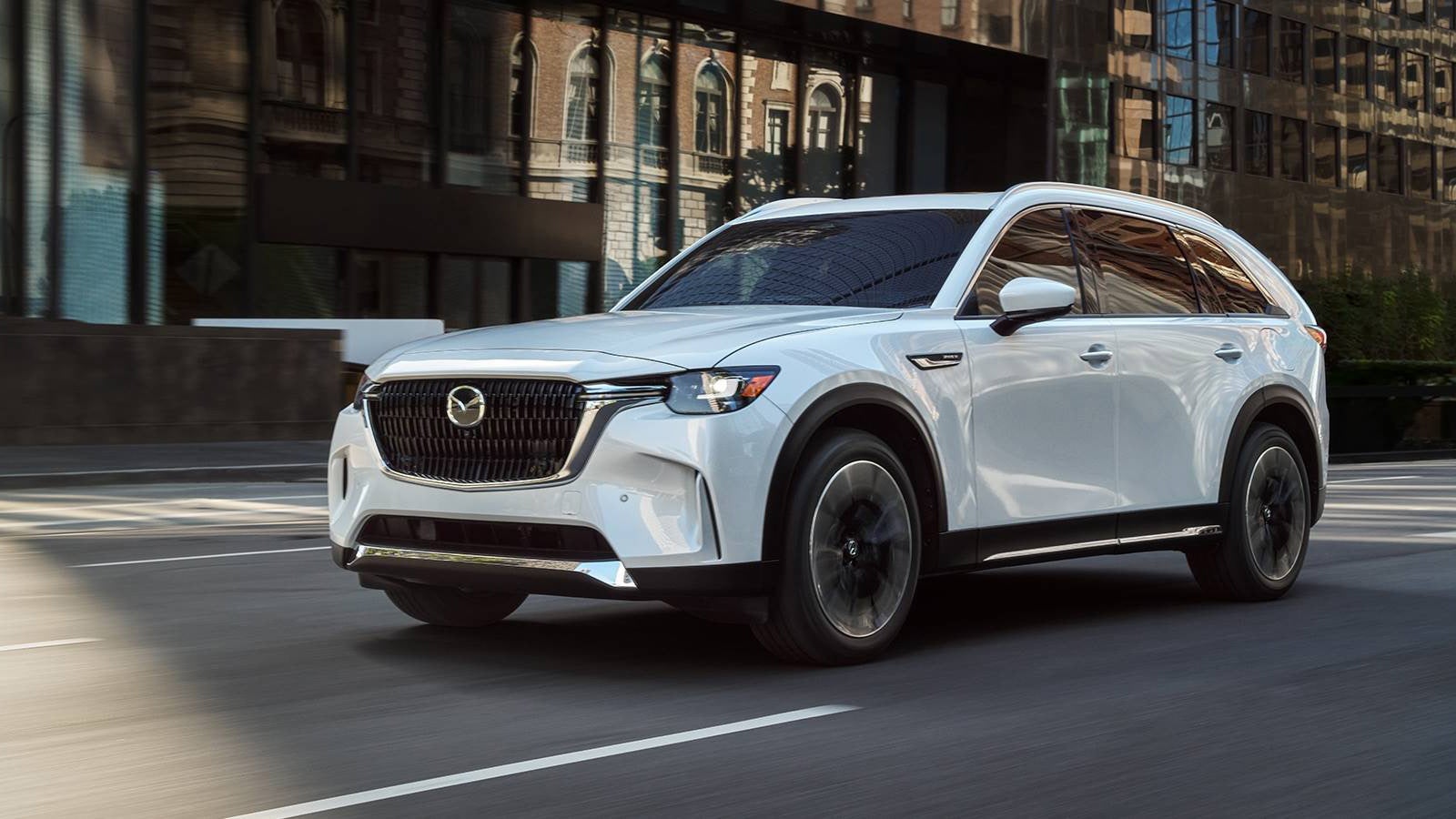
White Mazda CX-90 SUV driving through a city street lined with modern buildings.

2026 Mazda CX-90 PHEV vs. CX-70 PHEV: A Question of Space, Not Size

It would be reasonable to assume that Mazda's CX-70 Plug-In Hybrid is simply a smaller CX-90. It isn't. Both measure approximately 201.6 inches long, share essentially the same mechanical architecture, and deliver identical maximum power outputs. The distinction is more fundamental: one accommodates seven passengers, while the other devotes its interior to five. For buyers around Vancouver, WA, that difference deserves closer examination. Two Rows or Three: The Defining Decision The CX-90 PHEV accommodates up to 7 passengers across three rows. The CX-70 PHEV seats 5, using the space behind its second row for luggage. Because their exterior dimensions are nearly identical, neither offers a significant advantage when parking or negotiating narrow streets. Choosing the CX-70 isn't about purchasing a smaller vehicle. It's about deciding that a third row would contribute less to everyday ownership than additional cargo accommodation. Cargo Capacity Reveals the Trade-Off The CX-70 provides 39.6 cubic feet behind its rear seats, expanding to 75.3 cubic feet when they're folded. The CX-90 offers just 14.9 cubic feet with all three rows occupied, although maximum capacity reaches approximately 74.2 cubic feet. Those figures explain the practical distinction. The CX-70 carries considerably more luggage while retaining all five passenger positions; the CX-90 can accommodate additional occupants when required. Identical Powertrains, Similar Character Both models combine a 2.5L gasoline engine with a 68-kW electric motor, producing up to 323 hp and 369 lbs. ft. of torque using recommended premium gasoline. An 8-speed automatic transmission and standard rear-biased i-ACTIV AWD® distribute that performance. Mazda's Mi-Drive system includes Sport and Off-Road settings. Both SUVs can tow up to 3,500 lbs. when properly equipped. Mechanically, there's little reason to favor one over the other. Efficiency Is Where Differences Emerge The CX-70 PHEV achieves an EPA-estimated 61 MPGe combined and approximately 32 miles of electric-only range. The CX-90 PHEV returns 56 MPGe combined and 26 miles of electric range. That six-mile difference could influence how frequently the gasoline engine operates during shorter commutes. Both support Level 1 and Level 2 charging, and both continue operating as hybrids once their electric-only range is exhausted. Comfort, Technology, and Safety Both cabins emphasize driver-oriented controls and premium materials. Available equipment includes a 12.3-inch Mazda Connect™ display, wireless Apple CarPlay® and Android Auto™, Bose® audio, ventilated front seats, and a panoramic sunroof. Both models earned the 2026 IIHS TOP SAFETY PICK+ award. Standard i-Activsense® technologies include Blind Spot Monitoring, Lane Departure Warning, Lane-keep Assist, and Smart Brake Support, supplemented by available camera and parking assistance. Which Mazda Makes More Sense? For families regularly carrying six or seven people, the CX-90 PHEV is the logical choice. For those who seldom need a third row, the CX-70 PHEV offers more accessible luggage space and superior electric efficiency. Neither compromises on the shared powertrain's performance. Compare Mazda Plug-In Hybrids in Vancouver, WA The decision ultimately concerns how you use the space you've purchased. Visit Alan Webb Mazda in Vancouver, WA, to examine both interiors and compare available 2027 trim configurations. Schedule a test drive online to assess their comfort, performance, and practicality firsthand.

Technician handling a new car tire beside a row of tires in an automotive service center.

How to Change a Tire on Your Mazda

Knowing how to change a tire is one of the most practical skills any driver can have. If you're on a quiet back road or a busy highway in Vancouver, WA, a flat tire can happen when you least expect it. This guide walks you through the process clearly and safely so you can get back on the road. Before anything else, make sure your Mazda is parked on a flat, stable surface, away from traffic. Turn on your hazard lights immediately. If you have them, set out road flares or reflective triangles behind your vehicle to alert other drivers. Gather Your Equipment Changing a tire requires a few basic tools that should already be in your Mazda. Open your trunk or check under the cargo floor to locate your spare tire, jack, and lug wrench. Your owner's manual will show you exactly where these are stored and how to retrieve them properly. Take a moment to confirm that the spare tire is inflated and usable before you begin. A flat spare won't do you any good. Loosen the Lug Nuts Before you raise the vehicle, use the lug wrench to loosen the lug nuts on the flat tire. Turn them counterclockwise, but do not remove them completely yet. Loosening them while the tire is still on the ground prevents the wheel from spinning as you work. If the lug nuts are tight, apply steady downward pressure with your foot on the wrench for extra leverage. This is a normal part of changing a tire, especially if it's been a while since the wheel was last removed. Raise the Vehicle With the Jack Your Mazda has designated jack points along the frame underneath the vehicle. Placing the jack in the wrong spot can cause damage, so always refer to your owner's manual to find the correct location closest to the flat tire. Once positioned correctly, raise the vehicle until the flat tire is about six inches off the ground. Never get under a vehicle that is supported only by a jack. Swap the Tires Now remove the lug nuts completely and set them somewhere safe. Pull the flat tire straight toward you and set it aside. Lift the spare tire and align it with the wheel bolts, then push it flush against the hub. Hand-tighten the lug nuts in a star pattern - going across from one nut to the opposite side rather than in a circle. This ensures even seating. Once all are hand-tight, use the lug wrench to snug them down before lowering the vehicle. Lower the Vehicle and Tighten Carefully lower the jack until the spare tire is fully on the ground and the vehicle's weight is resting on it. Remove the jack, then use the lug wrench to fully tighten the lug nuts in the same star pattern. Apply firm, steady pressure to make sure nothing is loose. Tightening the lug nuts after the vehicle is on the ground - rather than while it's raised - is an important step many people skip when changing a tire. Check the Spare and Head to a Service Center Most Mazda vehicles use a compact spare, sometimes called a "donut," which is not designed for high speeds or long distances. Keep your speed at or below 50 mph and avoid driving more than 50 to 70 miles on it. Drivers in Vancouver, WA should stop by Alan Webb Mazda to have their original tire inspected or replaced as soon as possible. The service team can also check that your spare was mounted correctly and that your lug nuts are torqued to the right specification. Knowing how to change a tire gives you real peace of mind every time you get behind the wheel of your Mazda. With the right tools, a safe location, and the steps above, you can handle a flat tire calmly and efficiently. For professional tire service or any other maintenance needs, Alan Webb Mazda is here to help.