

Car tires typically need to be replaced every four or five years. However, sometimes premature damage or excessively uneven wear can make a set of tires unsafe to use after just two or three years. The following are the most common signs that it’s time for tire replacement. If you suspect that your car needs a set of new tires, ask a trusted technician at your local Mazda dealer to take a look.
Visit Your Mazda Dealer to Get New Tires
Tread Depth of 2/32 Inches or Less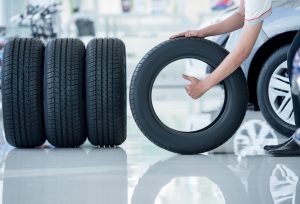
Tires need sufficient tread depth to maintain traction, including on wet or icy patches of the road. If your treads have diminished to 2/32 of an inch or under, they can no longer grip the road safely and you’ll need to have them replaced.
You can check this minimum tread depth by inserting a penny coin into the treads at the deepest point. If the top of Lincoln’s head is still visible, it means the treads are too shallow for safe use.
Deep or Spreading Sidewall Cracks
The chemicals inside tire rubber steadily dry out over time; as they do, cracks tend to appear in the sidewalls. This drying-out process can be accelerated by UV rays or extreme temperatures. If you notice the sudden appearance of many new sidewall cracks that are deepening and spreading rapidly, it might be time for replacement tires.
Consistent Loss of Air Pressure
Tires should always be kept at precisely the PSI recommended by the manufacturer in the owner’s manual. If your vehicle’s automatic tire pressure monitor is telling you that a particular tire is gradually losing air pressure, pay heed and have that tire inspected by a professional. It might have a hidden puncture.
Bulges or Blisters in the Rubber
Internal tire damage can sometimes cause a bulge or blister to appear on a tire’s surface. This kind of damage is usually serious enough to necessitate a new set of tires.
Significant Cuts or Punctures
Likewise, large gashes or punctures could spell the end of the road for a tire. Smaller cuts and punctures can sometimes be repaired. You’ll need to ask a technician whether a cut tire can be repaired or not.
Excessively Uneven Tire Wear
Regular tire rotations work well to combat uneven tire wear. However, if your tires have become too uneven in size, rotation might not be enough to remedy the problem. A set of significantly uneven tires will usually need to be replaced.
Momentary Losses of Traction
No matter the apparent condition of your tires, you need to feel complete confidence in their capacity to maintain traction at all times. So if your tires ever lose traction, even for a moment, pay close attention. If the problem repeats itself, consider having your tires checked by a technician.
Visit Alan Webb Mazda in Vancouver, WA to have your tires rotated or replaced today. We’re a locally trusted full-service dealership providing a great range of vehicles at competitive prices along with excellent customer care.
Connect with us


- June 2026
- May 2026
- April 2026
- March 2026
- January 2026
- December 2025
- November 2025
- October 2025
- September 2025
- August 2025
- July 2025
- June 2025
- May 2025
- April 2025
- March 2025
- February 2025
- January 2025
- December 2024
- November 2024
- October 2024
- September 2024
- August 2024
- July 2024
- June 2024
- May 2024
- April 2024
- March 2024
- February 2024
- January 2024
Archives
- 2024 Mazda CX-30 Vancouver, WA
- 2024 Mazda CX-5 Vancouver, WA
- 2024 Mazda CX-50 Vancouver, WA
- 2024 Mazda CX-90 PHEV Vancouver, WA
- 2024 Mazda CX-90 Vancouver, WA
- 2024 Mazda Lineup
- 2024 Mazda MX-5 Miata RF Vancouver, WA
- 2024 Mazda3 Hatchback Vancouver, WA
- 2024 Mazda3 Sedan Vancouver, WA
- 2025 Mazda CX-30 Vancouver, WA
- 2025 Mazda CX-5 Vancouver, WA
- 2025 Mazda CX-50 Hybrid Vancouver, WA
- 2025 Mazda CX-50 Vancouver, WA
- 2025 Mazda CX-70 Plug-In Hybrid Vancouver, WA
- 2025 Mazda CX-70 Vancouver, WA
- 2025 Mazda CX-90
- 2025 Mazda CX-90 PHEV Vancouver, WA
- 2025 Mazda CX-90 Vancouver, WA
- 2025 Mazda Lineup
- 2025 Mazda MX-5 Miata Vancouver, WA
- 2025 Mazda3 Sedan Vancouver, WA
- 2026 Mazda CX-30
- 2026 Mazda CX-5 Vancouver, WA
- 2026 Mazda CX-50 Hybrid Vancouver, WA
- 2026 Mazda CX-90 Vancouver, WA
- 2026 Mazda Lineup
- 2026 Mazda3 Hatchback
- AC Maintenance for Your Car Vancouver, WA
- Alan Webb Mazda
- Alan Webb Mazda Service
- Battery Maintenance
- Brake Inspection
- Brake Service
- Car Loans
- CX-50 Trim Levels
- Get Pre Approved
- Mazda Financing
- Mazda Financing Vancouver, WA
- Mazda SUVs
- Tire Service
- Trade-In Your Car
- Transmission Repair Service
- Uncategorized
- Vancouver Mazda Dealer
- Vancouver Mazda Service
- Vancouver Used Cars