

The transmission is the second most complicated system in your Mazda. It’s responsible for transferring engine power to the wheels to enable them to move at the desired speed. As time passes, age, heat, and friction cause components to wear out, and the transmission will develop issues. As your Mazda dealership in Vancouver, WA, we can fix any potential transmission problem. We’d like you to know a few signs you need to visit us for a transmission service.
How to Tell When Your Mazda’s Transmission Needs Maintenance
Burning Transmission Fluid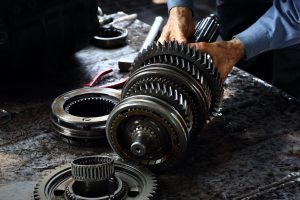
Transmission fluid provides the hydraulic power that allows the gears to shift. It also protects them against friction by coating them in a friction-resistant covering. This is important, as many transmission components depend on friction to work effectively. Finally, the fluid has a cooling effect on the hot components, reducing wear and tear.
The fluid is heat-resistant, but it loses this property as it ages. The high temperatures inside the transmission can cause older fluid to overheat and even burn. Burnt transmission fluid produces a foul, burning rubber stench and can’t supply hydraulic power. Gears may not shift or slip, and driving will become dangerous. We’ll flush the transmission to remove the old fluid, check to ensure the transmission isn’t damaged, and then refill the fluid.
Damaged Sensors
Your transmission contains numerous sensors that monitor its activity. These sensors check the hydraulic pressure, air intake, fluid pressure, and speed. This information is sent to the transmission computer, which uses it to ensure the transmission works correctly. Sensors can fail in time, and this has a serious impact on the transmission’s effectiveness.
Sensor failure forces the transmission computer to guess when making decisions, causing further damage if it guesses wrongly. We can test the sensors and quickly replace any damaged ones to fix this issue.
Strange Noises
A healthy transmission doesn’t make any noises as it shifts gears. You should only feel the increase or decrease in speed caused by the new gear. Transmission noises can be caused by various issues, ranging from low transmission fluid to broken transmission bands or a failing torque converter. The one thing they have in common is they will grow louder as time passes, and more damage will be caused until the problem is fixed.
A failing torque converter, for example, produces grinding or rattling noises that will morph into a whining noise. Gears will slip, the transmission will shudder, and you feel a sluggish response from the gas pedal. Since the engine and transmission work closely together, your engine will also suffer damage. We can prevent these things from happening by finding and fixing the problem.
If you suspect something is wrong with your transmission, contact the experts at Alan Webb Mazda in Vancouver, WA.
Connect with us


- June 2026
- May 2026
- April 2026
- March 2026
- January 2026
- December 2025
- November 2025
- October 2025
- September 2025
- August 2025
- July 2025
- June 2025
- May 2025
- April 2025
- March 2025
- February 2025
- January 2025
- December 2024
- November 2024
- October 2024
- September 2024
- August 2024
- July 2024
- June 2024
- May 2024
- April 2024
- March 2024
- February 2024
- January 2024
Archives
- 2024 Mazda CX-30 Vancouver, WA
- 2024 Mazda CX-5 Vancouver, WA
- 2024 Mazda CX-50 Vancouver, WA
- 2024 Mazda CX-90 PHEV Vancouver, WA
- 2024 Mazda CX-90 Vancouver, WA
- 2024 Mazda Lineup
- 2024 Mazda MX-5 Miata RF Vancouver, WA
- 2024 Mazda3 Hatchback Vancouver, WA
- 2024 Mazda3 Sedan Vancouver, WA
- 2025 Mazda CX-30 Vancouver, WA
- 2025 Mazda CX-5 Vancouver, WA
- 2025 Mazda CX-50 Hybrid Vancouver, WA
- 2025 Mazda CX-50 Vancouver, WA
- 2025 Mazda CX-70 Plug-In Hybrid Vancouver, WA
- 2025 Mazda CX-70 Vancouver, WA
- 2025 Mazda CX-90
- 2025 Mazda CX-90 PHEV Vancouver, WA
- 2025 Mazda CX-90 Vancouver, WA
- 2025 Mazda Lineup
- 2025 Mazda MX-5 Miata Vancouver, WA
- 2025 Mazda3 Sedan Vancouver, WA
- 2026 Mazda CX-30
- 2026 Mazda CX-5 Vancouver, WA
- 2026 Mazda CX-50 Hybrid Vancouver, WA
- 2026 Mazda CX-90 Vancouver, WA
- 2026 Mazda Lineup
- 2026 Mazda3 Hatchback
- AC Maintenance for Your Car Vancouver, WA
- Alan Webb Mazda
- Alan Webb Mazda Service
- Battery Maintenance
- Brake Inspection
- Brake Service
- Car Loans
- CX-50 Trim Levels
- Get Pre Approved
- Mazda Financing
- Mazda Financing Vancouver, WA
- Mazda SUVs
- Tire Service
- Trade-In Your Car
- Transmission Repair Service
- Uncategorized
- Vancouver Mazda Dealer
- Vancouver Mazda Service
- Vancouver Used Cars